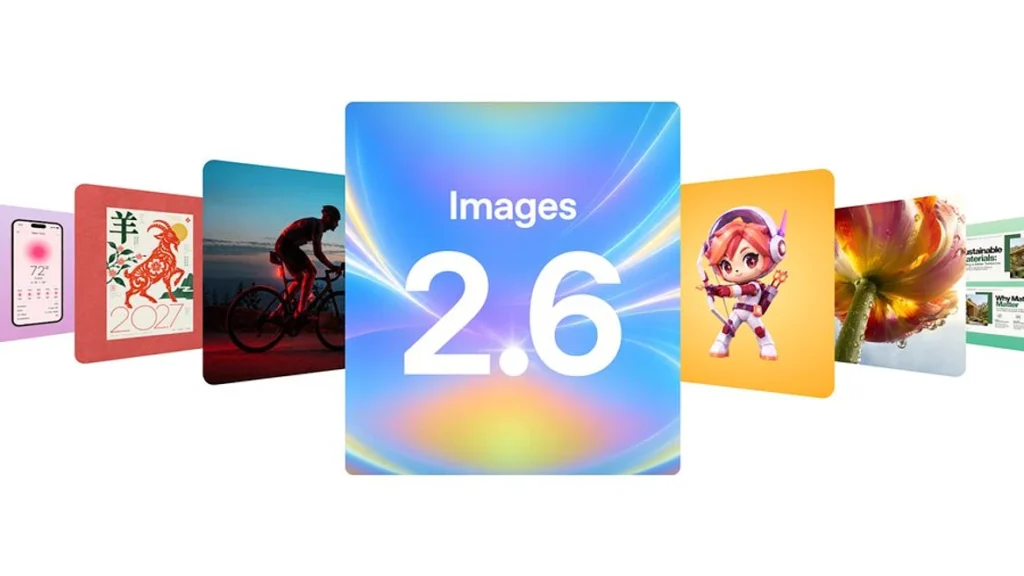
Image creation on ChatGPT is moving beyond static visuals. OpenAI has introduced Images 2.6, bringing GIF generation, frame-by-frame editing and faster image processing to its platforms, alongside new capabilities for developers building image-generation applications.
One of the key additions is the ability to create animated GIFs using either a text prompt or an uploaded photograph. Users can modify the speed of an animation, make changes to individual frames and share the finished output directly. The update gives users more control over how an image evolves, rather than limiting edits to a single static result.
The new capabilities also open up possibilities for personalised visual content. OpenAI has highlighted examples such as animated Diwali greetings, cartoon-style portraits and customised caricatures, demonstrating how everyday photographs and prompts can be turned into short animations.
Another addition focuses on continuity between creative sessions. Users can now save and tag reference images of people, pets and characters, making them available for reuse in future image-generation requests without having to upload them again.
The scale of adoption provides further context for the update. OpenAI says users are generating more than 4 billion images every week across ChatGPT and its API. This represents an increase from the over 3 billion weekly images reported eight weeks earlier, when Images 2.5 was introduced.
The release also brings changes for developers through two new API models: GPT-Image-2.6 Flare and Sunburst. OpenAI says both are designed to deliver image generation up to 50% faster. Flare is geared towards speed, producing images in as little as six seconds at low quality, while Sunburst is designed for higher-quality generation and greater consistency across edits at medium and high quality.
Developers will also have access to image markup for more precise editing instructions, alongside SVG export and a complexity control that determines how much planning the model uses during image generation.
Images 2.6 is rolling out across ChatGPT, ChatGPT Work and Codex on web, desktop and mobile, with availability across all tiers. The Flare and Sunburst models are also accessible through the API.
The move signals a broader shift in AI image tools from generating individual visuals towards supporting more complete creative workflows. GIF creation, frame-level adjustments and reusable references give users greater control over the output, while the faster API models extend those capabilities to developers building their own products.