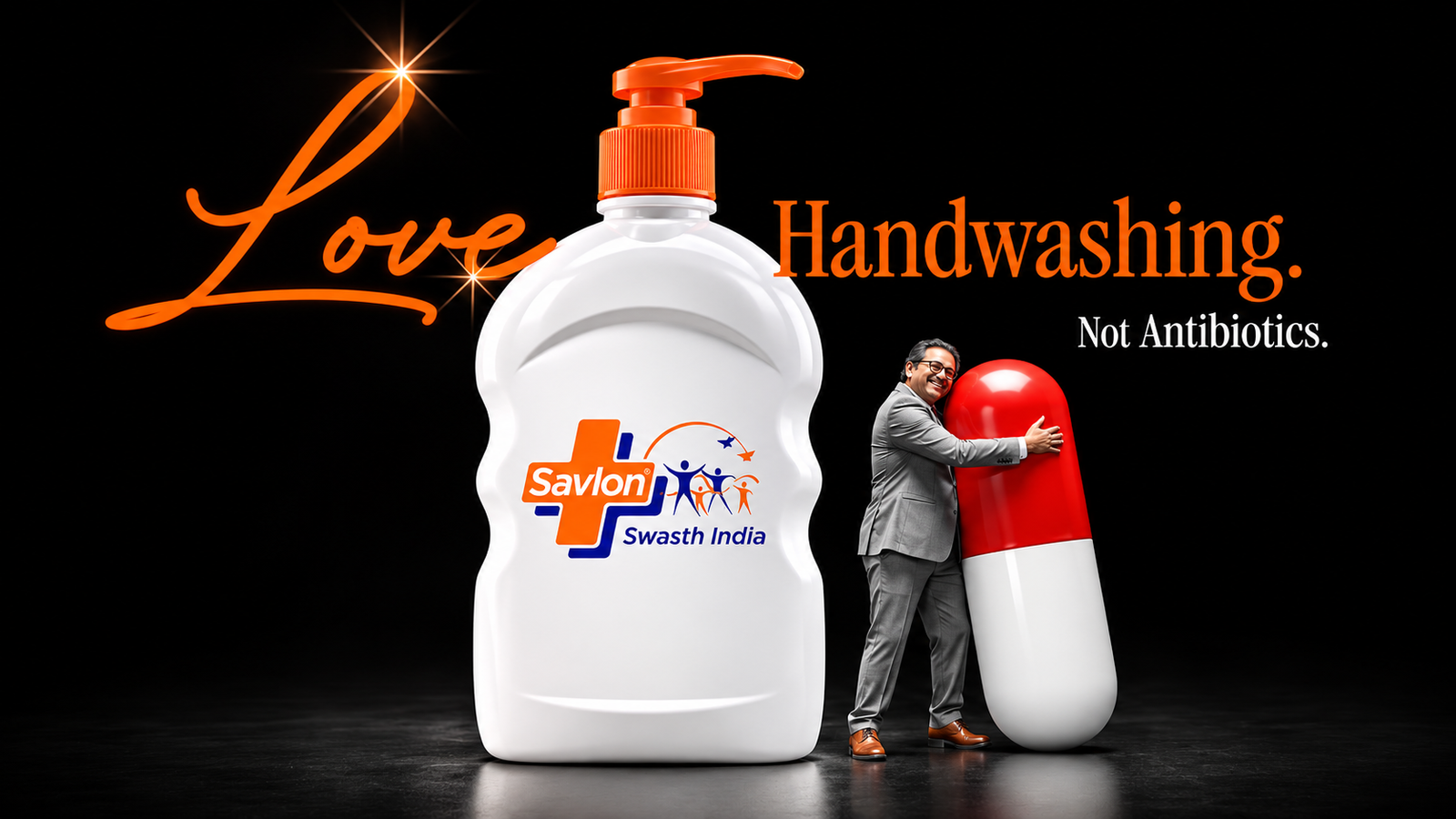
ITC Savlon has introduced a new film under its Savlon Swasth India Mission, using humour and satire to address a growing public health concern: the casual and often inappropriate use of antibiotics in India.
The campaign takes aim at the tendency to treat antibiotics as everyday remedies for minor health complaints. Through a catchy, sarcastic chorus, the film depicts people casually consuming antibiotics for common issues such as colds, headaches, stomach aches and discomfort caused by heat, without seeking medical advice.
The narrative also highlights how easily medicines become part of household routines. Antibiotics are often readily available at home and passed between family members or recommended by relatives. The film extends this observation to modern digital interactions, pointing to the growing tendency to seek quick health recommendations, including from chatbots, without consulting a medical professional.
Connecting Hygiene With Responsible Antibiotic Use
The campaign builds on Savlon’s longstanding association with hygiene awareness through the Swasth India Mission, launched in 2016. The initiative has previously featured campaigns and public engagement efforts involving personalities such as Sachin Tendulkar and rapper Emiway Bantai.
With its latest communication, the brand expands the conversation from preventing infections to addressing the consequences of how people respond to illness. The underlying message is that better hygiene practices, particularly regular handwashing, can help reduce the spread of infections and limit the need for unnecessary medication.
The film encourages people to stop treating antibiotics as household staples and to consult a doctor before taking them. It also reinforces handwashing as a simple preventive habit that can contribute to better health.
By combining an accessible musical format with social commentary, Savlon uses its hygiene platform to address a wider public health issue. The campaign moves beyond conventional product communication, positioning everyday hygiene and informed health decisions as connected parts of infection prevention.