

As consumers make decisions closer to the occasion, brands are being pushed to respond faster, make shopping more convenient and demonstrate value that lasts beyond the celebrations.
The festive calendar may give brands a defined window to plan their campaigns, but consumers do not necessarily shop according to the same schedule. An outfit might be chosen in response to a trend that catches on days before a celebration, a gift might be ordered at the last minute, while festive shopping for the home could be driven by a desire to invest in something that remains useful long after the season ends. These are different purchase occasions, each with its own expectations around timing, value and convenience.
That is changing the way brands need to approach the festive season. The traditional approach of building towards one large campaign is giving way to a more responsive model, where understanding when consumers are ready to buy matters as much as the message itself. Across fashion, retail, food and wellness, the opportunity lies in recognising what people need at different points of the season and making it easier for them to find the right product.
The festive season is becoming harder to plan around
For brands, one of the biggest challenges is keeping pace with consumer intent as it develops. Trends move quickly, purchase decisions are increasingly made closer to the occasion and shoppers expect brands to respond with relevant products and communication rather than rely entirely on campaigns planned months in advance.
Nisha Khatri, Head of Marketing at Libas, sees this shift in the way festive shopping is evolving from a calendar-led activity to one shaped by individual occasions and immediate preferences.

“Glamour and offers will continue to be part of festive marketing, but they are no longer enough to differentiate a brand. The real differentiator will be adaptability how quickly a brand can read a cultural or consumer trend and respond to it meaningfully,” says Khatri.
For an ultra-fast fashion brand such as Libas, that ability to respond is particularly relevant. Khatri believes festive marketing will become more real-time and creator-led, with brands building multiple cultural moments throughout the season instead of depending on one large campaign to carry the entire period. Technology and data can help brands move faster, but the larger challenge is ensuring that their response remains connected to what consumers are interested in at that particular moment.
This has implications beyond the creative itself. When demand can emerge close to an occasion, brands must also consider whether the right products are available, whether their communication reflects the consumer’s immediate need and whether the purchase can happen without unnecessary friction.
That is where the conversation moves from campaign planning to the shopping experience itself.
Convenience is becoming part of the festive proposition
Festive shopping involves several distinct needs, from finding a gift and preparing for a celebration to upgrading the home or replenishing essentials at short notice. Treating all of these occasions as one broad promotional opportunity risks overlooking what the consumer is actually trying to accomplish.
Madhu Sudan Pahwa, Chairperson & Managing Director of Womancart, sees real-time, need-based commerce becoming a more important part of the festive playbook. Rather than relying only on large-scale campaigns, brands will need to connect their merchandising, recommendations and fulfilment to the specific reasons people are shopping.
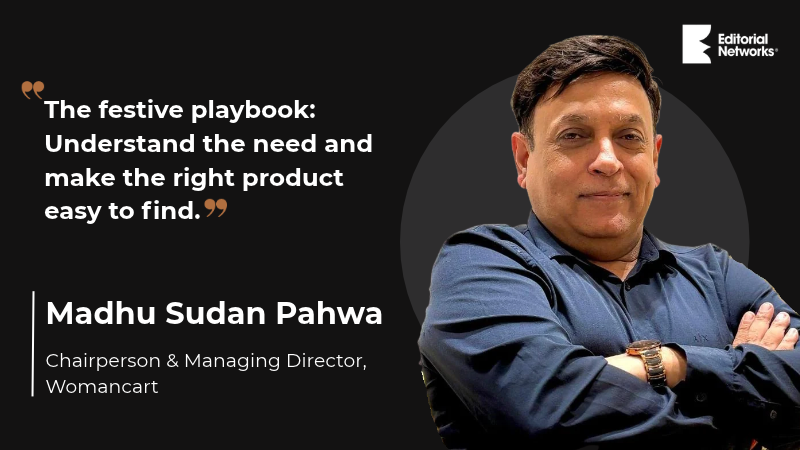
“The larger playbook will be simple: understand what the consumer needs at that moment, surface the right product, and remove the friction from purchase,” says Pahwa.
This approach puts greater emphasis on the connection between marketing and execution. Occasion-based merchandising, personalised recommendations and inventory-led communication can help consumers find what they need, while quick commerce is creating more opportunities to serve last-minute festive requirements. The message is only one part of the experience; product availability and timely delivery can be just as important when a purchase is driven by an immediate need.
Himanshu Chawla, Co-Founder of Bakingo, sees this change particularly clearly in festive gifting. Consumers are increasingly looking for fresh, premium and personalised options, with same-day delivery and the ability to create customised gift hampers making it easier to respond to occasions as they arise. Traditional bulk sweets are no longer the only option, as shoppers explore handcrafted baked goods and more individualised ways of gifting.
These shifts point to a more specific role for festive marketing: helping consumers make the right decision when they need to make it. Yet speed and convenience address only part of the equation. Consumers also want to know that what they are buying is worth the money, particularly when festive purchases are expected to serve a purpose beyond a single celebration.
Festive value has to extend beyond the occasion
The expectation of value is changing what consumers want from festive purchases. Rather than choosing products designed exclusively for one celebration, shoppers are increasingly considering how those purchases will fit into their lives afterwards.
Pahwa points to versatile fashion that can be worn across multiple occasions and home or kitchen products that continue to serve a purpose after the festivities. For brands, this creates an opportunity to connect seasonal demand with longer-term utility, making the purchase relevant beyond the immediate excitement of the season.
A similar idea is emerging in wellness, where festive indulgence does not necessarily mean setting aside everyday routines. Darshak Mehta, CEO of NEAT Everyday, believes brands have an opportunity to connect festive occasions with habits that consumers maintain throughout the year.
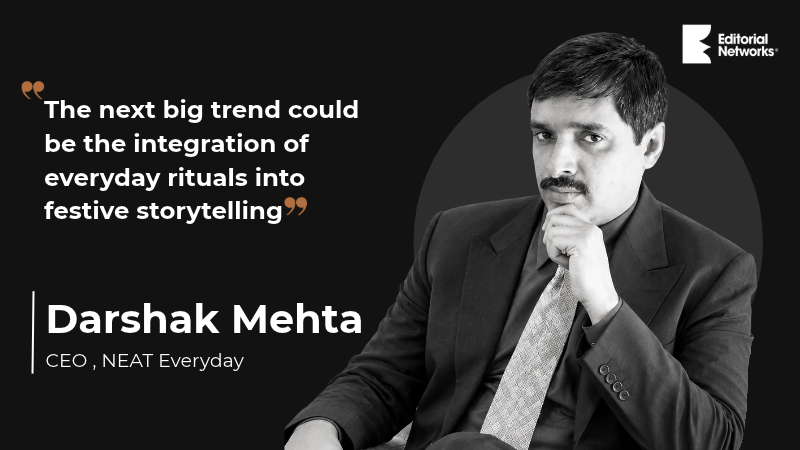
“The larger opportunity is to make festive marketing feel less like a seasonal interruption and more like an extension of consumers’ everyday lives,” says Mehta.
For a wellness brand, this could mean showing how consumers can enjoy festive food, travel and family occasions while maintaining simple, mindful routines, rather than presenting wellness as something that needs to be put on hold during celebrations. Mehta also points to the importance of product transparency and everyday functionality as consumers become more informed about their choices.
That emphasis is reflected in NielsenIQ’s Global State of Health & Wellness 2025 findings: 53% of Indian consumers said they proactively take steps to improve their health and wellness, while 64% prioritised transparency and wanted detailed product information and performance claims. For wellness brands, the festive period can therefore be an opportunity to demonstrate how products fit into everyday life, rather than communicating only around the occasion.
The same principle applies across categories. Whether the purchase is an outfit, a kitchen product or a wellness essential, brands have an opportunity to show consumers how the value of what they buy continues after the celebrations have ended.
The most relatable festive stories are often the smallest
As brands respond to changing purchase behaviour, the creative challenge is to make communication feel connected to the actual experience of celebrating. Grand festive imagery can establish the mood, but it may not capture the smaller situations that influence what people buy, whom they buy it for or when they decide to make a purchase.
Himanshu Chawla, Co-Founder of Bakingo, believes the strongest campaigns will draw from these everyday details rather than relying on scale alone.
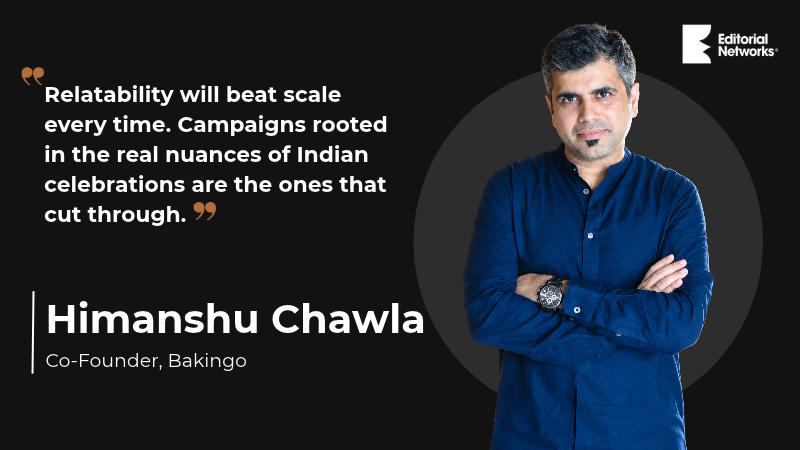
“Relatability will beat scale every time. The campaigns that will cut through are rooted in hyper-specific, nuanced micro-insights of Indian celebrations,” says Himanshu Chawla, Co-Founder, Bakingo.
For Bakingo, that could mean the last-minute rush of remembering a gift, sharing desserts after a hectic family gathering or sending something sweet to a friend in another city. These are specific situations with recognisable emotional significance, giving a brand a natural place in the occasion instead of forcing the product into a broad festive narrative.
He also sees room for familiar festive flavours to be presented in contemporary ways, combining traditional ingredients such as cardamom, saffron and pistachios with newer formats and more personalised gifting options. The appeal lies in retaining the familiarity of festive food while giving consumers fresh ways to experience and share it.
This offers a useful direction for festive storytelling across categories. Brands do not always need to make the occasion look bigger; they need to understand the details that make it meaningful to the people celebrating it. When that understanding is reflected in the product, the service and the communication, the campaign becomes more closely connected to the reason a consumer is buying in the first place.
A more responsive festive playbook
Taken together, these perspectives point to a festive marketing approach that depends on more than campaign scale. Brands need to keep pace with changing intent, make purchasing easier when needs arise and demonstrate why their products deserve a place in consumers’ lives beyond the season.
The opportunity is to stay close to how festive demand unfolds and make sure the right product, experience and message are ready when consumers need them. That is where a more responsive festive playbook can make a difference.