From dark satire to travel inspiration and fashion influence, HBO’s The White Lotus transcended television to become a cultural touchstone. Here’s how smart storytelling, strategic marketing, and organic fandom converged to create a pop culture powerhouse.
A Show That Quietly Took Over Culture
In today’s saturated content landscape, few shows have managed to transcend the screen and embed themselves in the cultural consciousness quite like HBO’s The White Lotus. What began as a clever satire of privilege and power quickly evolved into a global conversation starter—fueling memes, inspiring vacations, shaping fashion trends, and even influencing lifestyle aspirations.
But was its rise purely organic, or did HBO engineer this ascent through masterful marketing? The answer lies in a powerful blend of nuanced storytelling, smart positioning, and a marketing approach that let the audience take the lead.
From Niche Drama to Digital Obsession
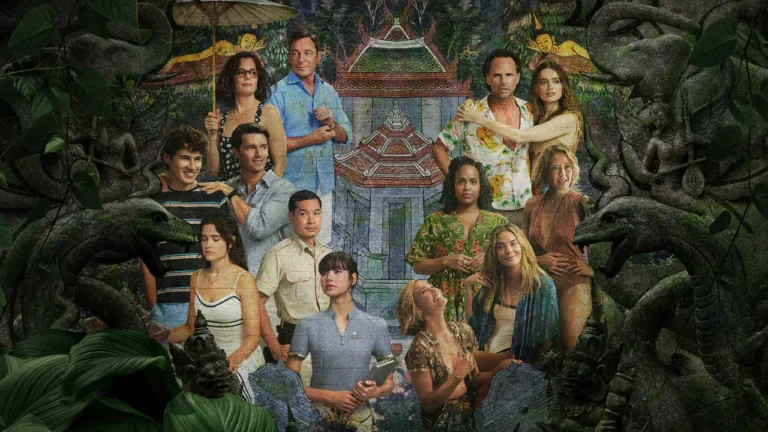
Unlike blockbuster hits such as Game of Thrones, The White Lotus didn’t arrive with massive fanfare. Instead, it grew steadily—thanks in large part to Mike White’s layered storytelling and a cast of flawed, fascinating characters. Each season mixed social commentary with satire and suspense, always culminating in a murder mystery that kept viewers guessing.
This narrative approach made the series perfect for social media. Platforms like TikTok, Instagram, and X (formerly Twitter) buzzed with memes, hot takes, fan theories, and aesthetic appreciation. YouTube was flooded with deep-dive analyses into its themes—ranging from class tension to gender politics—fueling conversation long after episodes aired.
The show’s slow-burn success turned it into a cult favorite, driven by psychological intrigue and razor-sharp commentary instead of spectacle. Fans weren’t just watching—they were unpacking, sharing, and obsessing.
Set-Jetting: Turning Locations into Aspirations
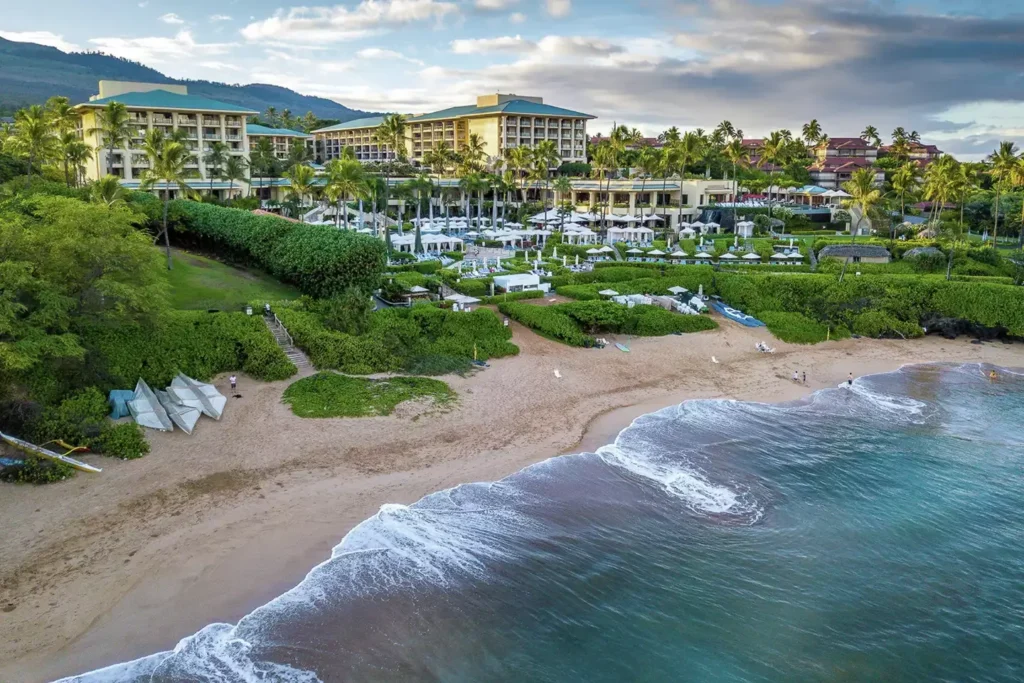
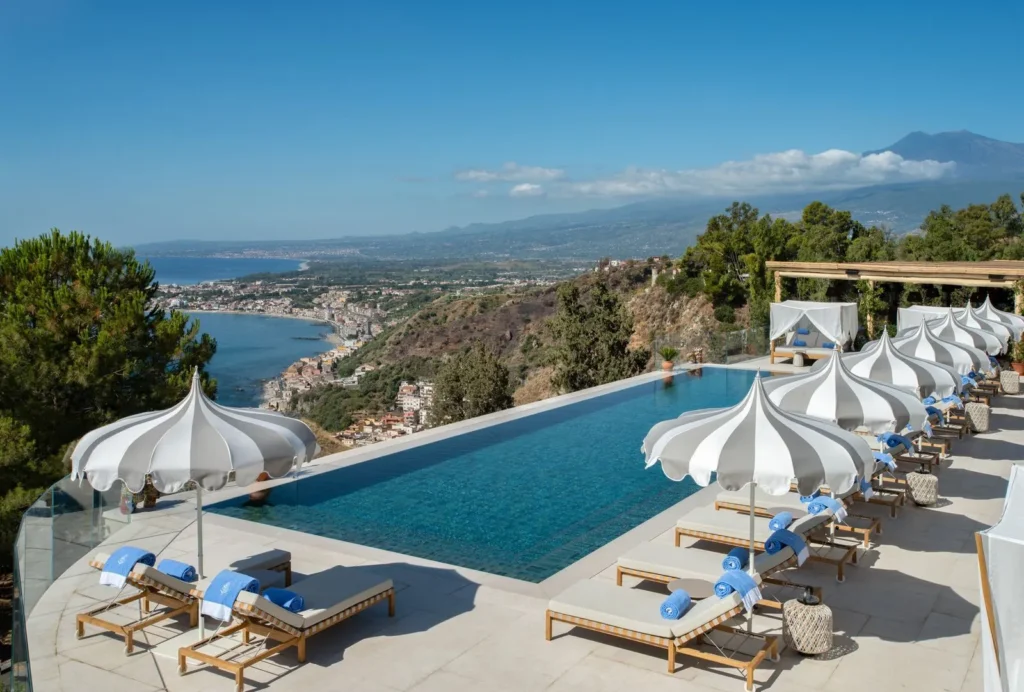
Perhaps The White Lotus’s most tangible impact has been on travel. Season 1, filmed at the Four Seasons Resort Maui, spurred a notable increase in interest for Hawaiian luxury getaways. Season 2, set at the San Domenico Palace in Sicily, went even further—its sun-drenched backdrops and coastal charm inspired a tourism boom.
Travel publications capitalized on the buzz, offering guides to live your own White Lotus vacation. The term set-jetting—traveling to filming locations—saw renewed relevance, especially in the luxury sector.
Though there’s no confirmation of formal partnerships with tourism boards, the show’s meticulous location choices suggest strategic intent. HBO didn’t just find beautiful backdrops—it selected destinations primed to become aspirational icons, turning every episode into a high-end travel brochure.
Fashion Influence: The Rise of ‘Coastal Chic’ and Quiet Luxury
The show’s impact went beyond wanderlust—it extended to wardrobes. Costume design on The White Lotus didn’t just support character development; it became a fashion statement.
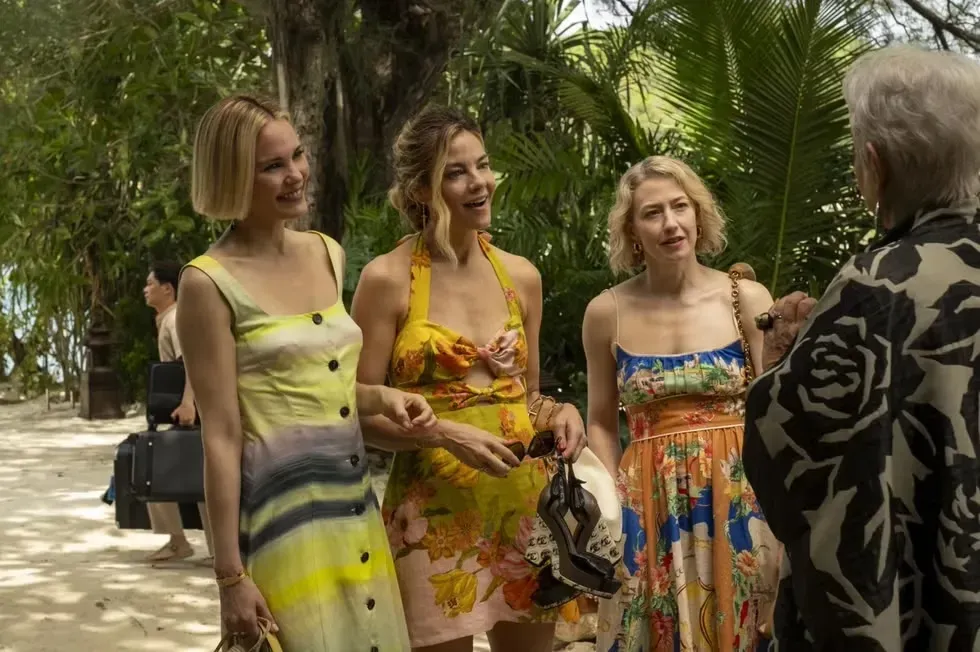
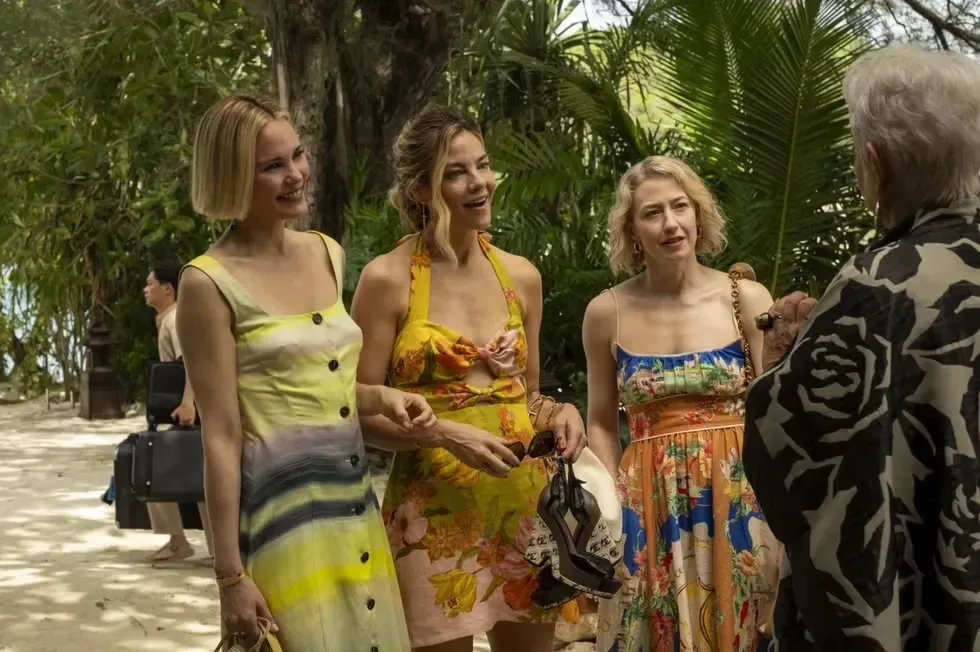
Season 1 introduced vibrant resortwear. Season 2 elevated quiet luxury—an understated yet high-end aesthetic exemplified by characters like Daphne and Harper. Meanwhile, Tanya’s eccentric ensembles became instantly meme-worthy, and Portia’s chaotic Gen Z fashion choices sparked fierce online debate.
Influencers recreated outfits, fashion magazines dissected character styles, and brands began aligning with the show’s aesthetic. The wardrobe wasn’t just dressing characters—it was setting trends. Whether through direct partnerships or ambient cultural influence, The White Lotus became a fashion mood board for the aspirational and the ironic alike.