

For years, festive marketing has largely revolved around making the season look bigger with Celebrity-led films & glamorous visuals. Promotional offers and high-production campaigns have become familiar fixtures of the festive calendar, but as consumers become more selective about what they watch, discover and ultimately buy, the challenge for brands is no longer simply to create a festive campaign. It is to find a meaningful role within the festive moments consumers are already creating for themselves.
That distinction is beginning to reshape the festive marketing playbook. Consumers are discovering products through creators and social media, comparing them through reviews moving between marketplaces, quick commerce and physical retail and increasingly deciding whether a product is relevant based on the problem it solves or the experience it enables. At the same time, the abundance of similar-looking festive advertising is making production value less of a differentiator. What is emerging instead is a more consumer-led model where the experience, the insight, the creator or even the product problem can become the starting point for the story.
The festive moment is becoming the media opportunity
The most immediate change is taking place in the relationship between brands and consumers themselves. The consumer is no longer simply an audience waiting for festive advertising to arrive but they want to participate with the brands creating an opportunity for them to build experiences rather than only messages.
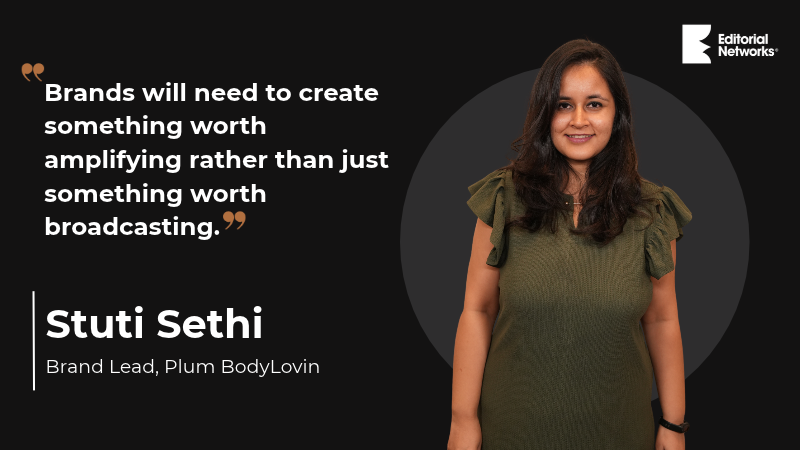
“Brands will need to create something worth amplifying rather than just something worth broadcasting. That could be an unexpected collaboration, a physical experience, a cultural intervention or a community moment,” says Stuti Sethi, Brand Lead, Plum BodyLovin’.
Sethi’s point goes beyond the familiar argument for experiential marketing because the larger shift is in what happens after the experience is created. She sees physical experiences becoming media properties in themselves, with the consumer experience becoming the content and digital platforms extending it through creators, communities and commerce. In that model, offline and digital are no longer competing channels: the physical moment creates something people can react to while digital gives that moment a longer life and wider reach. It changes the role of the brand from a participant in the festive conversation to a potential creator of the conversation itself.
But creating something people want to experience does not solve the entire challenge. The festive consumer journey is becoming more fragmented, which means a campaign can generate attention without necessarily moving someone towards purchase.
Discovery is no longer a straight path to purchase
The new festive shopper is entering the season with more information and more choices. Discovery can happen through a creator but consumers are increasingly taking another step before they spend rather than responding to visibility or discounts alone.
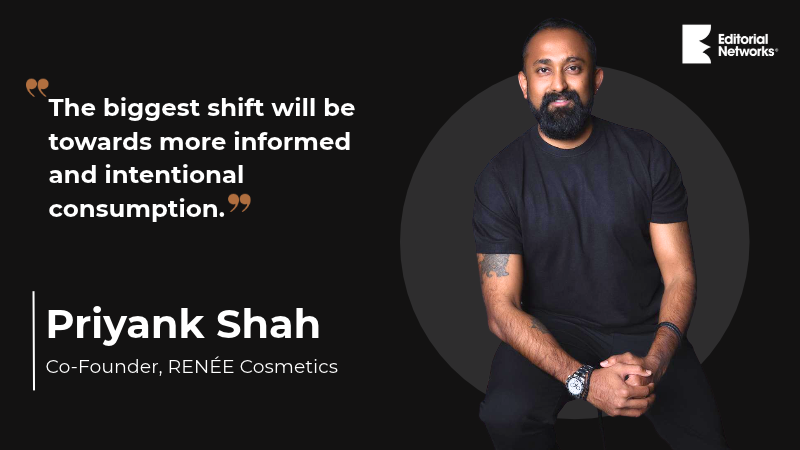
“The biggest shift will be towards more informed and intentional consumption. Consumers are discovering products through creators, social media, reviews and recommendations, comparing options before making a purchase and looking beyond discounts to assess quality, performance and value,” says Priyank Shah, Co-Founder, RENÉE Cosmetics.
That is significant because it makes the festive journey less linear than the traditional campaign model assumes. A consumer may discover a product on social media, compare it on a marketplace, check reviews, consider it against another option and then complete the purchase through quick commerce or physical retail. For brands, that means the job does not end with generating awareness. Discovery, consideration and convenience are increasingly connected parts of the same consumer decision.
The same fragmentation is also changing how brands think about targeting. Shah expects festive marketing to become more hyper-personalised and creator-led, with conversations built around specific communities, interests and occasions rather than one broad message aimed at everyone. That moves festive marketing closer to the way consumers actually behave online, where different people enter the same festive season through very different cultural, social and shopping contexts.
And beauty makes that shift particularly visible because discovery is increasingly tied to aspiration. A product can enter the consideration set not just because someone has seen an advertisement but because a creator has demonstrated a look, a routine or an occasion that a consumer wants to recreate.
Creators are moving from amplification to shaping the occasion
In beauty, creators are therefore taking on a role that extends beyond reach. They are influencing how consumers imagine the festive season itself the makeup they want to wear, the looks they want to experiment with and eventually the products they consider buying.

“The creators don’t just shape someone’s ability to purchase a product; they can also influence the looks people want to create and even the accessories they choose to wear,” says Shalini Kochar, Associate Vice President – Marketing, Swiss Beauty.
Kochar’s observation points how a creator is no longer simply an additional distribution layer attached to the end of a campaign. In categories where inspiration directly feeds into consumption, creators can help shape the demand before a product enters the shopping journey. Festive beauty is particularly suited to this because occasions naturally generate new looks, routines and conversations including the rise of trends such as no-makeup makeup that creators can help translate into something consumers want to try.
That also explains why culturally relevant and personality-driven content is becoming more important to festive advertising. Priyank Shah argues that campaigns need to feel like culture and entertainment first and advertising second with humour, personality and relatable insight helping brands create more engaging conversations. His reference to RENÉE’s recent campaigns featuring personalities including Ravi Kishan, Orry and Rebel Kid reflects this broader approach, where entertainment is used to make the brand conversation more engaging while retaining a natural role for the product.
Yet even relevance and discovery cannot guarantee conversion. The consumer can be entertained by a campaign, inspired by a creator and still decide not to buy. The next battleground is therefore much closer to the product itself.
The next festive playbook may start with the problem, not the offer
This is where the traditional festive formula faces perhaps its clearest challenge. If consumers are already surrounded by discounts and promotional messages simply adding festive colours and an offer may not give a brand a meaningful reason to be chosen. The opportunity is to start with what the consumer is actually dealing with during the season and build the marketing around that need.
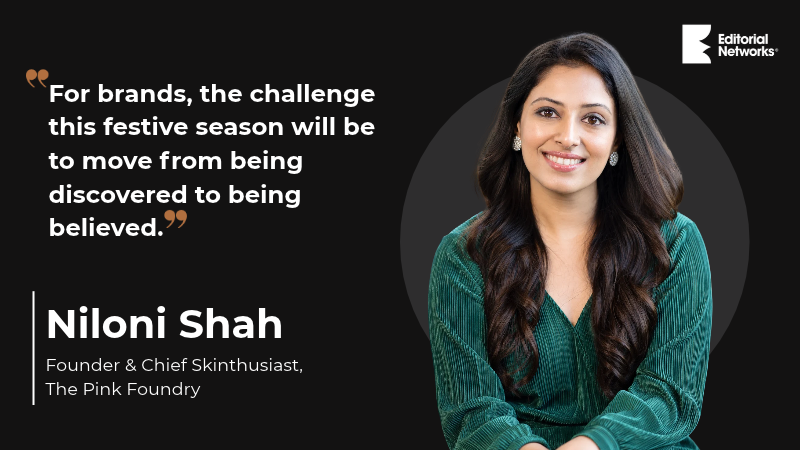
“For brands, the challenge this festive season will be to move from being discovered to being believed. You may get the consumer’s attention through content, but the product experience, efficacy and credibility are what ultimately drive the purchase,” says Niloni Shah, Founder & Chief Skinthusiast, The Pink Foundry.
That shift from discovery to belief changes what a festive campaign has to prove. In skincare for instance the festive period comes with its own set of practical tensions such as long-wear makeup, late nights, travel and changing routines. Instead of presenting the product simply as another festive purchase, a brand can demonstrate how it fits into those specific situations. The communication becomes useful because it addresses something the consumer is actually experiencing.
Niloni Shah sees this as the potential rise of problem-led festive marketing: beginning with a seasonal problem and then showing how the product solves it. It is a different starting point from the conventional “festive season, here is our offer” approach, and it also changes the role of the discount. As she puts it, the offer can still provide the reason to act, but it should not have to provide the entire reason to believe.
That idea connects back to the broader creative problem facing festive advertising. When brands are increasingly working with similar celebrities, creators, visual codes, production capabilities and AI tools, simply looking bigger or more polished does not necessarily make a campaign more distinctive. The question becomes what only that brand can say, create or solve.
The festive clutter is making the idea matter more
This is where the different shifts converge. Consumers are becoming more active participants & discovery is spreading across platforms, creators are influencing preferences and product credibility is becoming more important after the initial point of attention. Against that backdrop, the traditional festive campaign is being asked to do more than announce that the season has arrived.
For Stuti Sethi, the answer is a clear point of view that cannot be mistaken for another brand’s. Production value may get a campaign noticed, but the idea has to carry the weight of differentiation. Her test for a strong festive idea is equally demanding: would people discuss it without paid media, participate rather than simply watch it, and recognise that only that brand could have created it?
Seen together, all the perspectives point to a festive marketing landscape where the campaign is no longer the entire product of the marketing exercise. The experience can become content, the creator can become part of discovery, the cultural insight can become the hook and the consumer problem can become the creative brief. What binds these approaches is a move away from asking how loudly a brand can announce itself during the festive season and towards asking what role it can genuinely play in that season. So a brand has to not only give consumers something worth discovering but also something worth participating in, which ultimately leads to something that fits naturally into the way they celebrate.